
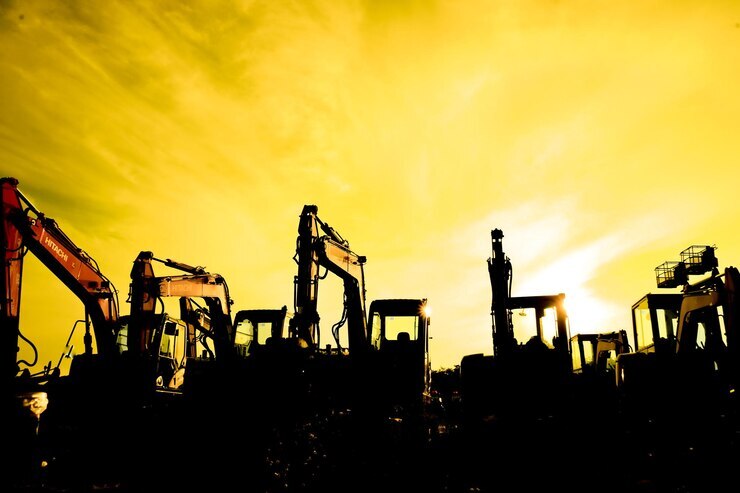
Construction equipment and machinery trading plays a vital role in shaping the physical infrastructure of modern society. This sector involves the supply of heavy-duty machines such as excavators, bulldozers, cranes, loaders, and concrete mixers, which are essential for residential, commercial, and industrial construction projects. Whether it’s roadworks, high-rise developments, or large-scale civil engineering, access to reliable and efficient machinery is a cornerstone of project success.
From an industrial perspective, the demand for robust construction equipment continues to grow, driven by rapid urbanization, government infrastructure spending, and private sector investments. Traders serve as the link between global equipment manufacturers and local developers or contractors, ensuring that machinery with the right specifications and capabilities reaches the right project. Advanced technologies—like GPS-controlled systems and hybrid engines—are also transforming how construction machinery operates, enhancing accuracy, fuel efficiency, and safety on site.
Economically, this sector contributes significantly to national development by enabling faster, safer, and more cost-effective construction. The trading of machinery supports job creation not only in construction but also in equipment maintenance, transport, and logistics. Moreover, by facilitating large infrastructure developments such as bridges, highways, and power plants, it stimulates broader economic activity, attracts investment, and increases productivity across multiple sectors.